

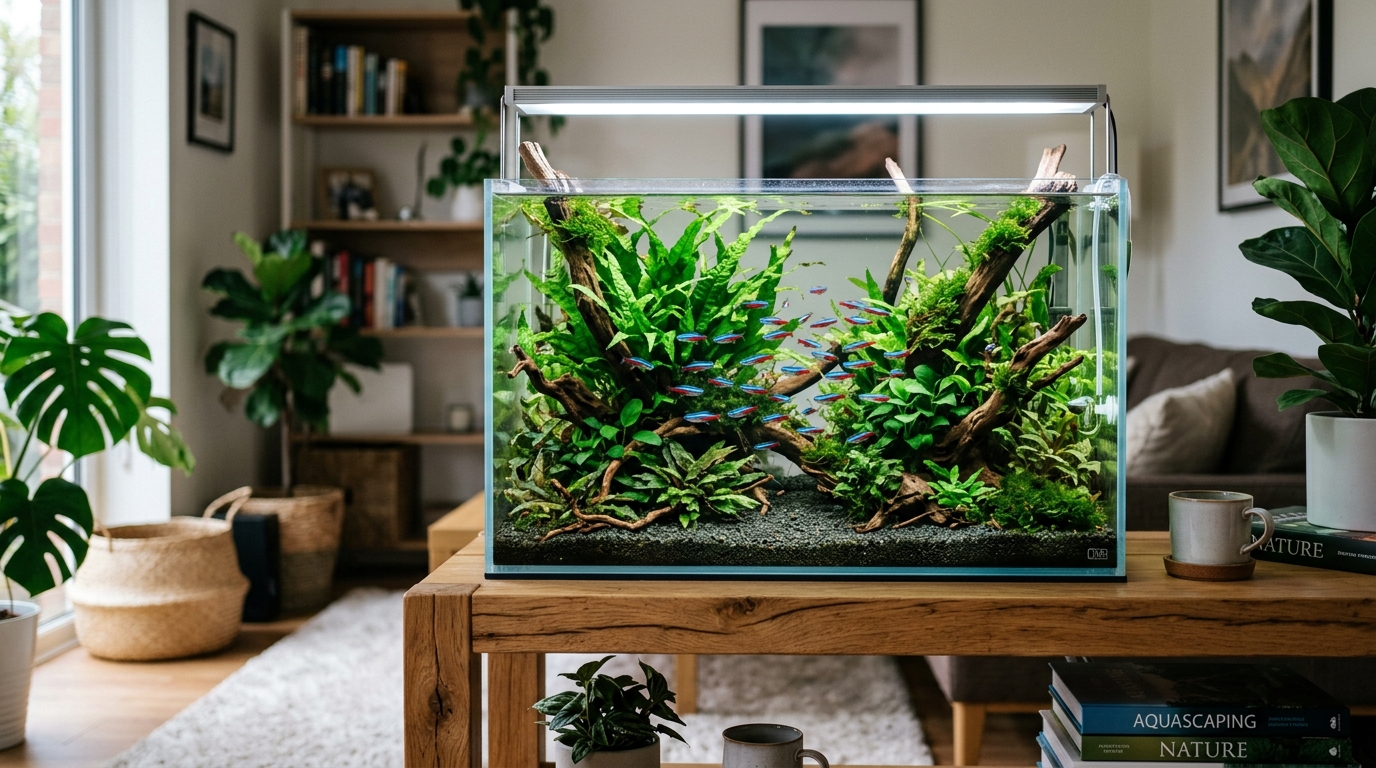
Starting your first aquarium is one of the most relaxing and rewarding journeys you can undertake. A 10-gallon aquarium is widely considered the sweet spot for new hobbyists because it provides enough water volume to maintain stable conditions while fitting easily onto a sturdy desk or stand. If you have been wondering how to start without feeling overwhelmed by technical jargon, this guide is designed just for you. In this walkthrough, we will explore how to set up a 10 gallon fish tank for beginners, covering everything from essential equipment and safe positioning to proper cycling and choosing peaceful aquatic companions.
- Essential Equipment You Need Before Getting Started
- Choosing the Right Location and Preparing Your Tank
- Installing Equipment, Adding Decor, and Filling the Tank
- Understanding the Nitrogen Cycle Before Adding Any Fish
- Best Peaceful Fish Options for a 10 Gallon Tank
- Common Beginner Mistakes and How to Avoid Them
- Frequently Asked Questions (FAQ)
- Conclusion
Key Takeaways & Quick Reference
- Ideal Dimensions: Standard 10-gallon tanks measure 20″L × 10″W × 12″H and weigh around 110 lbs when filled with water and substrate.
- Never Add Fish Immediately: Complete the nitrogen cycling process first to build vital beneficial bacteria.
- Temperature & Heating: Maintain tropical species at 75°F to 78°F using an adjustable 50W submersible heater.
- Compatible Inhabitants: Ideal for peaceful schooling nano fish like neon tetras, harlequin rasboras, and dwarf shrimp.
Essential Equipment You Need Before Getting Started
Before bringing home any water or aquatic life, gathering all your supplies in advance ensures a smooth setup. Having the right tools on hand allows you to assemble the aquarium methodically. For a standard 10-gallon glass tank, the dimensions are typically around 20 inches long, 10 inches wide, and 12 inches high, making it compact yet spacious enough for small freshwater species.
Here is the core checklist of gear you will need for your setup:
- 10-Gallon Glass Tank: A standard rectangular shape provides the best surface area for oxygen exchange.
- Aquarium Stand or Level Surface: When full of water and gravel, a 10-gallon tank weighs around 100 to 110 pounds, so your surface must be sturdy.
- Aquarium Filter: A gentle hang-on-back filter rated for 10 to 20 gallons or a biological sponge filter driven by a small air pump works wonderfully.
- Submersible Heater (50 Watts): Most tropical freshwater fish thrive between 75°F and 78°F (24°C to 26°C), requiring a reliable heater with an adjustable thermostat.
- Thermometer: A small digital or stick-on thermometer allows you to verify water temperature at a glance.
- Substrate: Approximately 10 to 15 pounds of inert gravel or natural aquarium sand to create a 1.5 to 2-inch bed.
- Water Conditioner: A dechlorinator that neutralizes chlorine, chloramines, and heavy metals present in tap water.
- Aquarium Hood with LED Light: A secure lid prevents fish from jumping out and reduces evaporation, while LED lighting supports live plants.
- Freshwater Test Kit: A liquid drop test kit that measures ammonia, nitrite, nitrate, and pH levels accurately.
- Maintenance Tools: A clean 5-gallon bucket reserved strictly for aquarium use, a gravel siphon vacuum, and a soft net.
Choosing the Right Location and Preparing Your Tank
Where you place your aquarium is just as important as the equipment inside it. Once filled, a 10-gallon tank cannot be moved without completely draining it, so choosing the permanent location requires careful thought. Select an area with easy access to electrical outlets and enough space around the perimeter for routine maintenance.
Keep the tank away from direct sunlight, because excessive light rapidly encourages green algae growth and can create temperature spikes. Likewise, keep your aquarium clear of drafty air conditioners, exterior doorways, and heating radiators. Always ensure your power cords have a downward curve known as a “drip loop” before reaching the wall outlet to prevent water droplets from reaching the plug.
Once your tank is resting securely on its level stand, rinse the inside walls using clean, lukewarm tap water and a clean sponge. Never use household soaps, cleaners, or detergents on aquarium gear, as chemical residues can harm aquatic life. Next, place your substrate into a bucket and rinse it thoroughly with cool water until the runoff is clear, removing dust that could cloud your water.

Installing Equipment, Adding Decor, and Filling the Tank
Now that your foundation is prepared, you can begin assembling your aquarium interior. Gently pour the clean substrate into the bottom of the tank, sloping it slightly higher in the back than in the front. This slope creates an illusion of greater depth and guides debris toward the front for simpler cleaning.
Follow these steps to decorate and fill your tank safely:
- Place a Clean Plate on the Substrate: Place a small saucer face up on the gravel to absorb the impact of pouring water and prevent the gravel bed from scattering.
- Add Water Halfway: Fill the aquarium halfway with room-temperature tap water. Pausing halfway makes arranging hardscape and plants far easier.
- Arrange Your Decorations: Add smooth river rocks, cured driftwood, and cave ornaments with smooth edges that will not snag delicate fins.
- Incorporate Beginner Live Plants: Hardy beginner plants such as Anubias, Java Fern, and Marimo moss balls add natural beauty and help absorb excess nutrients.
- Finish Filling the Tank: Fill the remaining volume until the water sits about one inch below the upper rim.
- Dose Water Conditioner: Add the recommended dosage of water conditioner directly into the water column.
- Mount the Filter and Heater: Position your filter securely and submerge the heater near the outflow. Wait 15 minutes before plugging the heater in so the thermostat acclimates.
Understanding the Nitrogen Cycle Before Adding Any Fish
The single most important concept to master when learning how to set up a 10 gallon fish tank for beginners is the biological nitrogen cycle. In an aquarium, fish waste and leftover food decay into toxic ammonia. In an established tank, colonies of beneficial bacteria naturally develop on the filter media and substrate to convert ammonia into nitrite, and then convert nitrite into significantly less harmful nitrate.
Because a brand-new tank lacks these beneficial bacteria, adding fish immediately can subject them to unsafe conditions. Performing a “fishless cycle” allows these helpful bacteria to grow safely before your fish arrive. This process generally takes between two to six weeks, requiring patience and regular water testing.
- Add an Ammonia Source: Add a daily pinch of fish flake food to decay naturally or use bottled aquarium ammonia to reach 2 parts per million (ppm).
- Use a Bacterial Starter Culture: Adding a bottled nitrifying bacteria supplement can help kickstart the colonizing process on your filter media.
- Test the Water Regularly: Use your freshwater liquid test kit to monitor ammonia and nitrite levels as they rise and subsequently fall.
- Confirm Cycle Completion: Your aquarium is officially cycled when your tests consistently read 0 ppm Ammonia, 0 ppm Nitrite, and show a modest reading of Nitrate (5 to 20 ppm).
| Equipment / Factor | Recommended Spec | Why It Matters |
|---|---|---|
| Aquarium Tank | Standard Rectangular Glass (20″x10″x12″) | Maximizes surface area for essential gas exchange. |
| Filtration | Hang-on-Back or Sponge Filter (10-20 Gal) | Gentle flow provides mechanical and biological filtration. |
| Heater | 50W Submersible Adjustable Heater | Prevents thermal shock by keeping temperature steady at 76°F. |
| Lighting | Full Spectrum LED (6-7 hrs/day) | Supports live plant photosynthesis without fueling algae. |
| Water Cycling | Fishless Cycle (2 to 4 weeks) | Converts toxic ammonia and nitrite into safe nitrate. |
Best Peaceful Fish Options for a 10 Gallon Tank
Once your water tests confirm that the biological cycle is complete, you can begin selecting your aquatic residents. Because 10 gallons is a modest volume, keeping a light bio-load ensures your water remains clean and balanced. It is best to choose small, calm, freshwater species that stay under two inches in mature size.
Here are several peaceful stocking options well-suited for a 10-gallon environment:
- Option 1 (The Solitary Showpiece): One vibrant male Betta fish paired with two Nerite snails and a small colony of Cherry shrimp.
- Option 2 (The Nano School): A small group of 6 to 8 Ember Tetras or Celestial Pearl Danios, which stay tiny and display delightful schooling behavior.
- Option 3 (Gentle Livebearers): A trio of 3 to 4 male Endler’s Livebearers, known for their dazzling metallic colors and playful personalities.
- Option 4 (Cooler Water Setup): A peaceful school of 5 to 6 White Cloud Mountain Minnows, which are exceptionally hardy and active swimmers.
Always remember to avoid species that grow large or produce heavy waste, such as common goldfish, plecostomus catfish, and territorial cichlids, as they require much larger aquariums.
Common Beginner Mistakes and How to Avoid Them
Even with thorough preparation, newcomers often encounter a few common pitfalls during their early weeks. Understanding these hurdles in advance makes managing your new aquatic sanctuary straightforward and pleasant.
- Adding Too Many Fish at Once: When introducing fish, add only a few individuals at a time and wait a week between additions so the beneficial bacteria can adjust.
- Overfeeding: A fish’s stomach is roughly the size of its eye. Feed only what your fish can completely consume within one to two minutes once daily, removing any uneaten flakes.
- Rinsing Filter Media with Tap Water: The chlorine in untreated tap water destroys your beneficial bacteria. Always rinse sponge filters in a bucket of old tank water removed during maintenance.
- Performing 100% Water Changes: Completely draining the tank stresses fish. Aim for a gentle 20% to 25% water change once every week or two using dechlorinated water.
- Leaving Aquarium Lights on All Day: Excessive lighting promotes nuisance algae growth. Keep your tank lights on a timer for 6 to 8 hours daily.
Frequently Asked Questions (FAQ)
Can I put fish in a 10 gallon tank on the very first day?
No. Introducing fish on day one is the most frequent beginner mistake. A brand-new aquarium lacks the beneficial bacteria necessary to process fish waste. Always follow our complete guide on how to cycle a new aquarium step by step before purchasing any live animals.
How many small fish can live comfortably in a 10 gallon aquarium?
A conservative and safe guideline is stocking 6 to 8 small nano fish (such as neon tetras or chili rasboras) along with a few dwarf shrimp or a single nerite snail. Overcrowding quickly overwhelms filtration and leads to water quality instability.
What live plants work best for a beginner 10 gallon setup?
Hardy, low-light varieties like Anubias Nana, Java Fern, and Java Moss thrive effortlessly without CO2 injection. Learn more in our guide to the best aquarium plants that need no CO2 or fertilizer.
Conclusion
Learning how to set up a 10 gallon fish tank for beginners is an enriching project that combines nature, art, and patience. By taking your time during the initial setup, giving the nitrogen cycle adequate time to establish, and choosing appropriately sized fish, you create a calm and balanced aquatic ecosystem right in your home. Remember that patience is your greatest ally in this hobby. With steady, gentle care and routine observations, your freshwater aquarium will provide you with a peaceful, mesmerizing retreat for many years to come.
Recommended Related Guides & Resources:
Continue building your freshwater fishkeeping knowledge with our related walkthroughs:
- Explore our comprehensive guide on best low-tech aquarium plants.
- Check out our essential walkthrough on cloudy aquarium water remedies.
Educational reference: Consult official aquarium aquatic biology standards for deeper biological background.