





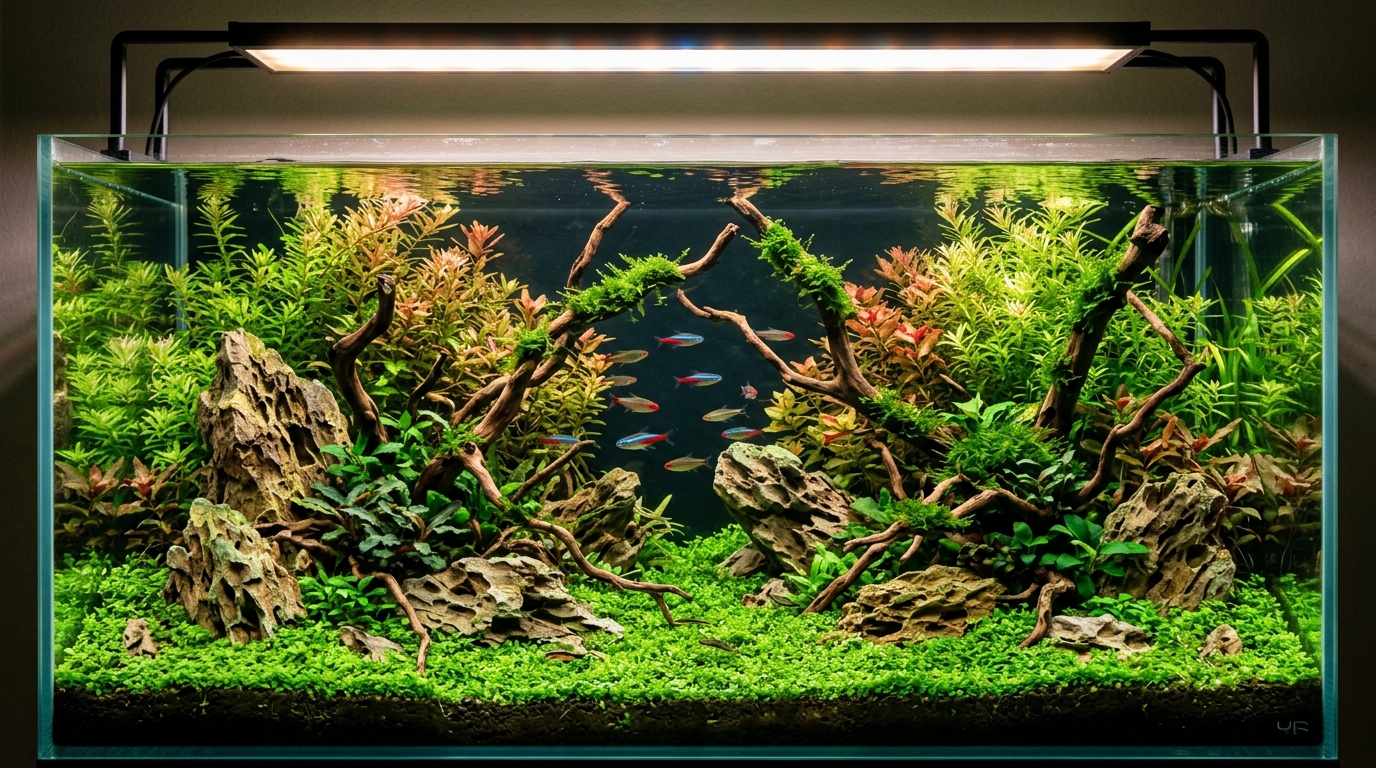
There is something uniquely tranquil about gazing into an underwater world lush with vibrant green foliage, gentle currents, and peaceful swimming fish. While high-tech aquascapes featured in competitions can seem intimidating with pressurized carbon dioxide cylinders and intense lighting, creating a thriving planted tank at home is surprisingly accessible for anyone. In this comprehensive walkthrough on how to set up a planted aquarium for beginners, we will guide you through choosing the right substrate, selecting virtually indestructible low-light plants, setting up natural lighting, and establishing a balanced biological ecosystem where plants and fish flourish together in perfect harmony.
- Why Live Plants Transform Your Aquarium Ecosystem
- Choosing the Right Substrate: Inert Gravel vs Nutrient Soil
- Top Hardy Plants for Beginner Low-Tech Aquariums
- Step-by-Step Guide: Assembling and Planting Your Aquarium
- Lighting Schedule, Filtration, and Gentle Cycling
- Common Beginner Mistakes in Planted Aquarium Setup
- Frequently Asked Questions (FAQ)
- Conclusion
Key Takeaways & Quick Reference
- Low-Tech Simplicity: You do not need expensive pressurized CO2 or complex dosing to build a lush, thriving planted tank.
- Substrate Foundation: Inert gravel works wonderfully for epiphytes; use aqua soil or root tabs for heavy root feeders like Crypts.
- Lighting Photoperiod: Limit daily lighting to 6 to 7 hours using a timer to foster plant photosynthesis without fueling algae.
- Plant Selection: Choose indestructible starters like Anubias, Java Fern, and Java Moss from our best low-tech plants guide.
Why Live Plants Transform Your Aquarium Ecosystem
Live aquatic plants are far more than mere decoration; they act as living, dynamic biological filtration systems. In a standard bare or artificial aquarium, fish waste continuously breaks down into nitrates that accumulate until the next manual water change. Live plants actively absorb these nitrates, along with ammonia and phosphates, utilizing them as primary building blocks for leaf and root growth.
Beyond natural water purification, aquatic plants produce continuous dissolved oxygen during daytime photosynthesis, giving your fish a constant supply of rich, oxygenated water. Furthermore, lush vegetation creates natural territories, provides security for shy species, offers shelter for juvenile fry, and naturally outcompetes nuisance algae for available nutrients and light.
Choosing the Right Substrate: Inert Gravel vs Nutrient Soil
The foundation of any planted aquarium lies beneath the water. When starting out, you have two primary substrate options to consider:
- Inert Gravel or Coarse Sand (Low-Tech Friendly): Natural aquarium gravel (1 to 3 mm grain size) or pool filter sand is inexpensive, clean, and never breaks down over time. While inert substrate contains no built-in nutrients, it is ideal for epiphytes like Anubias and Java Fern. Root-feeding plants can simply be nourished with aquarium root tabs placed directly beneath their roots every three months.
- Aquarium Soil / Aqua Soil: Made from baked organic soil granules, active aqua soils contain rich organic macro and micro nutrients that fuel vigorous plant growth. They naturally buffer water pH slightly acidic, creating ideal conditions for tropical fish and delicate plants. Aqua soil is fantastic for carpeting plants and heavy root feeders like Cryptocorynes and Amazon Swords.
For most beginners, creating a 2-inch to 3-inch substrate bed sloping gently from front to back provides ample depth for root anchoring while creating a pleasing visual perspective of greater depth.

Top Hardy Plants for Beginner Low-Tech Aquariums
A crucial secret when learning how to set up a planted aquarium for beginners is choosing species adapted to low-light and low-CO2 conditions. The following hardy varieties are virtually foolproof:
- Anubias (Anubias barteri / Nana): Tough, thick dark green leaves that tolerate low light effortlessly. Anubias is an epiphyte—meaning its horizontal green rhizome must never be buried in the gravel. Tie or glue it to natural driftwood or rocks using cotton thread or aquarium-safe cyanoacrylate glue.
- Java Fern (Microsorum pteropus): Like Anubias, Java Fern anchors to hardscape surfaces rather than soil. Its flowing, textured leaves give tanks a wild, riverine appearance and are avoided by herbivorous fish.
- Cryptocoryne Wendtii: A dependable root-feeding plant available in rich green and bronze hues. Crypts adapt comfortably to low light and develop lush, compact rosettes along the midground.
- Java Moss (Taxiphyllum barbieri): A versatile green moss that carpets rocks, blankets driftwood, and provides shelter for tiny shrimp and baby fish.
- Amazon Frogbit or Salvinia (Floating Plants): Floating plants absorb nutrients directly from the water column through dangling feathery roots, offering shade and natural algae defense.
Step-by-Step Guide: Assembling and Planting Your Aquarium
Follow this methodical assembly sequence to set up your planted aquarium smoothly:
- Step 1: Arrange the Hardscape (Rocks and Wood): Place your hardscape stones (like dragon stone or river rocks) and driftwood into the dry tank first. Establish your focal point before adding plants.
- Step 2: Add Substrate: Pour in your washed gravel or aqua soil around the hardscape base, aiming for 2 inches in the front and 3 inches in the back.
- Step 3: Moisten the Substrate: Gently mist the substrate with a spray bottle or add just 2 to 3 inches of dechlorinated water. Damp substrate holds plant roots in place far better than bone-dry gravel.
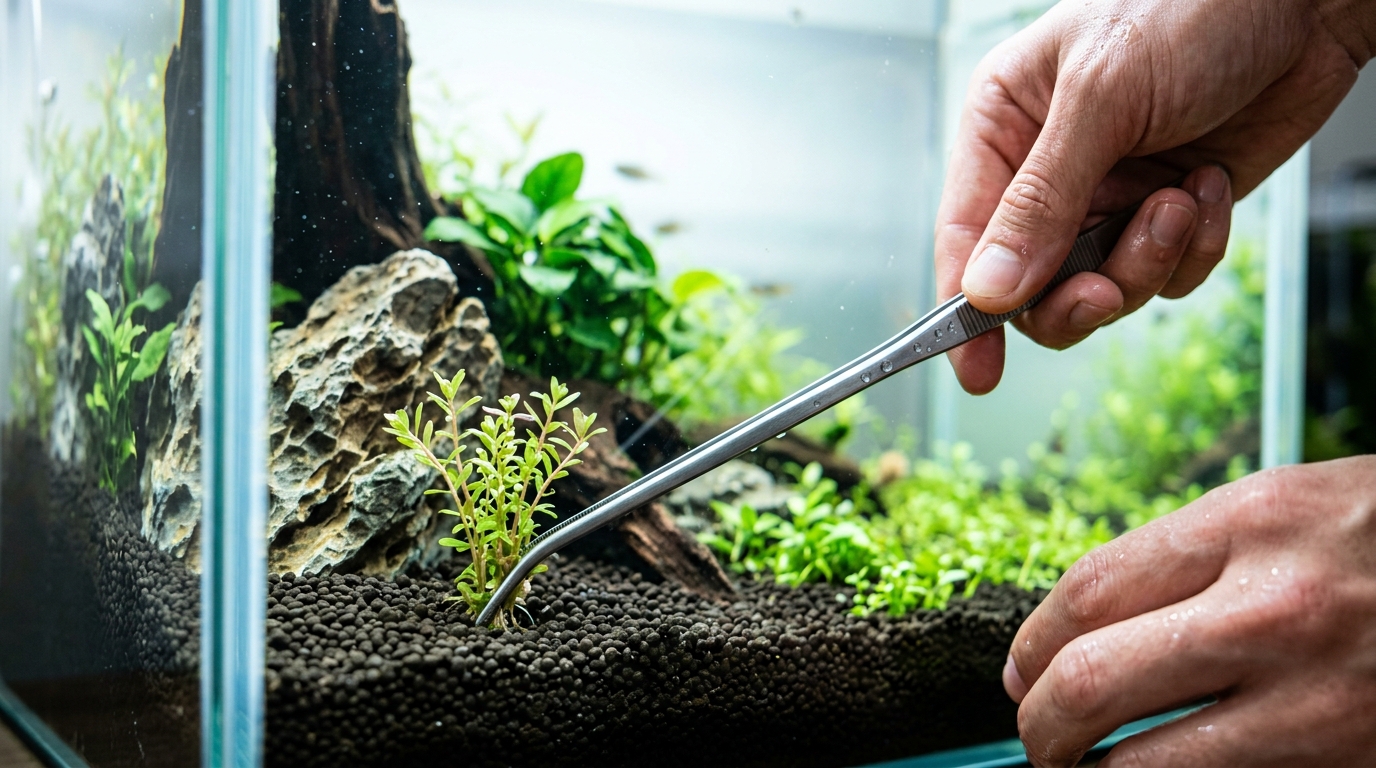
- Step 4: Plant Using Tweezers: Grasp stem cuttings and root plants near the bottom with aquascaping tweezers. Insert them into the substrate at a 45-degree angle, release the tweezers, and slide them out smoothly so the substrate settles over the roots.
- Step 5: Attach Epiphytes: Secure your Anubias and Java Fern onto wood branches or rock crevices using clear thread or gel superglue.
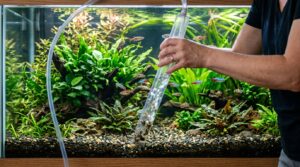
- Step 6: Fill the Tank Gently: Place a plastic grocery bag or small plate on top of the substrate and pour water slowly onto it. This prevents the incoming stream from digging holes in your substrate or uprooting freshly planted foliage.
| Component | Beginner Recommendation | Estimated Cost | Key Setup Tip |
|---|---|---|---|
| Aquarium Tank | 10 to 20 Gallons Rimless or Standard | Low – Moderate | More volume provides stable chemistry for plants. |
| Substrate | Inert Sand/Gravel + Root Tabs, or Aqua Soil | Low – Moderate | Slope from 2″ front to 3″ back for visual depth. |
| Hardscape | Spider Wood / Driftwood & Dragon Stone | Moderate | Pre-soak driftwood for 1 week to minimize tannins. |
| Lighting | Full Spectrum 6500K LED Fixture | Moderate | Run on a strict 6.5 hour daily outlet timer. |
| Aquascaping Tools | Curved Pinsettes / Tweezers & Wave Scissors | Low | Insert stem cuttings at a 45° angle to prevent floating. |
Lighting Schedule, Filtration, and Gentle Cycling
Lighting is the engine that drives plant photosynthesis. For a beginner low-tech planted aquarium, select a full-spectrum LED light fixture that emits balanced white, red, and blue wavelengths.
Set a strict lighting photoperiod of 6 to 7 hours per day using an outlet timer. Running lights for 10 or 12 hours without supplemental CO2 will inevitably trigger green hair algae and diatom outbreaks. Consistency is far more vital than duration; plants thrive when their “sunrise” and “sunset” happen at the exact same hour every day.
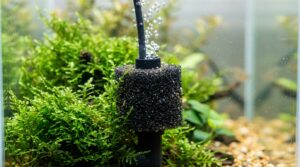
Ensure your aquarium filter generates gentle surface circulation to distribute nutrients and oxygen evenly across all leaf surfaces without blasting delicate stems sideways. Cycle your planted aquarium thoroughly using the fishless method before introducing any fish.
Common Beginner Mistakes in Planted Aquarium Setup
Steering clear of these typical setup missteps ensures your underwater garden thrives from week one:
- Burying the rhizome of Anubias or Java Fern: If you bury the thick green root-stem (rhizome) under gravel, it will slowly suffocate and rot. Always attach epiphytes to hardscape decor.
- Excessive initial lighting: Running bright lights for 10+ hours on day one fuels opportunistic algae before plants have grown new roots to compete.
- Panicking over initial “melt”: Many commercially sold plants are grown above water (emersed). When submerged, they shed their old terrestrial leaves to sprout new aquatic foliage. This temporary melt is normal—do not throw the plant away.
- Over-fertilizing in uncycled tanks: Dumping excessive liquid fertilizers into a brand-new setup creates a nutrient soup that algae loves. Start with modest dosing only once plants show active new growth.
Frequently Asked Questions (FAQ)
Do I need a CO2 injection system for live aquarium plants?
No. While high-tech competition tanks use CO2, dozens of stunning aquatic plants thrive in low-tech setups where ambient dissolved CO2 and fish respiration provide ample carbon. Check our list of the best aquarium plants that need no CO2 or fertilizer.
What is “plant melt” and should I be worried?
When commercial plants transition from emersed (greenhouse) to submerged (underwater) conditions, old leaves dissolve so new aquatic foliage can grow. As long as the root or rhizome is intact, new green growth will appear within two weeks.
How can I prevent algae from taking over my new planted tank?
Keep your daily lighting under 7 hours, avoid over-fertilizing early on, and follow our tested methods in how to control algae in aquarium naturally.
Conclusion
Mastering how to set up a planted aquarium for beginners opens the door to one of the most rewarding dimensions of the aquarium hobby. By choosing forgiving low-light plants, establishing a steady 6-hour lighting routine, and providing gentle biological filtration, you create a self-sustaining underwater sanctuary that is easy to care for and mesmerizing to watch. With time and patience, your underwater garden will mature into a lush, tranquil oasis where your fish can live happy, vibrant, and natural lives.
Recommended Related Guides & Resources:
Continue building your freshwater fishkeeping knowledge with our related walkthroughs:
- Explore our comprehensive guide on natural aquarium algae control methods.
- Check out our essential walkthrough on 10-gallon fish tank setup walkthrough.
Educational reference: Consult official principles of natural freshwater aquascaping for deeper biological background.


