






Choosing the best filter for small fish tank setups is one of the most critical decisions a new aquarist will make. In compact environments ranging from 5 to 15 gallons, water parameters can shift quickly, making steady biological and mechanical filtration essential for maintaining a healthy ecosystem. However, small tanks present a unique challenge: powerful filters can generate turbulent currents that stress delicate swimmers like bettas and fancy guppies, while undersized units struggle to trap organic debris. In this guide, we break down the top filtration styles for nano tanks, explain how to regulate gentle water flow, and share practical maintenance tips to keep your beneficial bacteria thriving effortlessly.
- Understanding the Three Types of Aquarium Filtration
- Comparing the Best Filter Styles for Small Aquariums
- Calculating Flow Rate: How Much Turnover Do You Need?
- Step-by-Step Maintenance: How to Clean Without Crashing the Cycle
- Common Small Tank Filter Mistakes to Avoid
- Frequently Asked Questions
- Conclusion
Key Takeaways for Nano Tank Filtration
- Biological Priority: In small aquariums, biological surface area matters far more than extreme mechanical water movement.
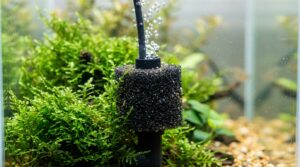
- Air-Driven Sponge Filters: Excellent, budget-friendly choices for shrimp, fry, and slow-moving fish that require gentle currents.
- Hang-on-Back (HOB) Filters: Offer versatile media capacity, adjustable flow knobs, and crystal-clear water polishing without occupying valuable tank real estate.
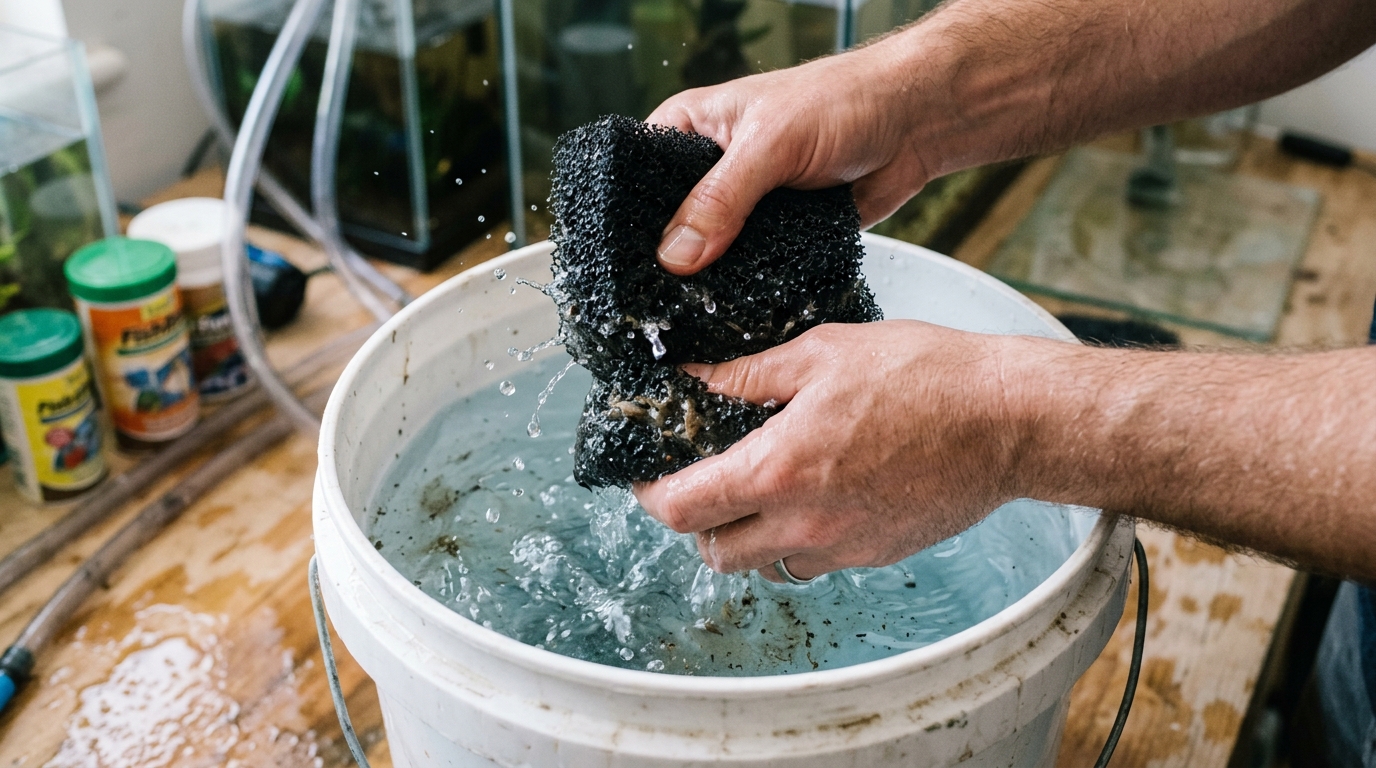
- Preserve Bacteria: Always rinse your filter sponges in siphoned aquarium water—never under chlorinated tap water.
Understanding the Three Types of Aquarium Filtration
Before selecting hardware, it helps to understand how aquarium filtration operates. Every successful filter processes water through three distinct stages:
- Mechanical Filtration: Physically strains free-floating debris, uneaten food morsels, and decaying plant leaves through coarse foam, sponge, or filter floss.
- Biological Filtration: The cornerstone of a healthy aquarium. Porous filter media provides microscopic surface area where colonies of beneficial nitrifying bacteria convert toxic ammonia into nitrite, and subsequently into safer nitrate.
- Chemical Filtration: Utilizes activated carbon or synthetic resins to absorb medications, organic tannins, and unwanted odors. While useful occasionally, chemical media is optional in well-maintained, low-tech planted tanks.
When searching for the best filter for small fish tank setups, your primary focus should always be maximizing biological media capacity while keeping water movement calm and steady.
Comparing the Best Filter Styles for Small Aquariums
Small aquariums generally perform best with one of three primary filter designs. Each style offers distinct operational advantages depending on your tank occupants and aquascape layout:
| Filter Style | Ideal Tank Volume | Current Strength | Media Flexibility | Best Livestock Suitability |
|---|---|---|---|---|
| Air-Driven Sponge Filter | 3 – 10 Gallons | Very Gentle | Coarse Foam | Bettas, Dwarf Shrimp, Fry, Nano Tetras |
| Hang-On-Back (HOB) | 5 – 20 Gallons | Adjustable / Mild | High (Custom Biomedia) | Community Tetras, Guppies, Rasboras |
| Internal Corner Filter | 5 – 10 Gallons | Moderate to Strong | Cartridge / Small Sponge | Active nano schooling fish, Danios |
1. Classic Air-Driven Sponge Filters
Sponge filters are legendary among experienced hobbyists and breeders for good reason. Powered by a small external air pump and airline tubing, rising bubbles draw tank water through a porous cylinder of dense foam. They provide vast surface area for beneficial bacteria while presenting zero risk of sucking in delicate baby shrimp or long betta fins. Because they introduce gentle surface agitation, they also oxygenate water naturally without creating disorienting currents.
2. Adjustable Hang-on-Back (HOB) Power Filters
If you prefer an uncluttered view of your plants and hardscape, a miniature Hang-on-Back filter rests neatly on the rear rim of your glass tank. Water is drawn up through an intake tube, passes through an open media chamber, and cascades back over a gentle spillway. High-quality small HOB models feature an adjustable flow dial, allowing you to dial back the current during feeding or increase circulation across planted zones.

Calculating Flow Rate: How Much Turnover Do You Need?
As a rule of thumb for freshwater fishkeeping, your filtration system should ideally cycle your total tank volume 4 to 6 times per hour (Gallons Per Hour, or GPH). For example, a standard 10-gallon tank benefits from a filter rated between 40 and 60 GPH. Learn more about properly sizing your initial tank equipment in our guide on how to set up a 10 gallon fish tank for beginners.
However, in nano aquariums, higher turnover can sometimes produce excessive velocity in a confined space. If you notice your fish constantly fighting the current, retreating to bottom corners, or struggling to swim forward, consider these simple flow baffles:
- Attach an Intake Sponge: Placing a coarse pre-filter sponge over an HOB intake tube softens the suction, prevents shrimp entrapment, and adds bonus biological filtration.
- Install a Baffle Bumper: Positioning a curved piece of plastic, plastic craft mesh, or a cluster of tall plants (such as Anubias or Java Fern) directly beneath the outflow spillway disperses surface turbulence gently.
- Use an Air Valve with Sponge Filters: Adding a simple two-dollar plastic airflow control valve onto your airline tubing allows you to precisely dial the bubble rate up or down.
Step-by-Step Maintenance: How to Clean Without Crashing the Cycle
Many beginners make the mistake of replacing their entire filter cartridge whenever it looks brown and dirty. In reality, that brown discoloration is primarily living colonies of beneficial bacteria that prevent deadly ammonia spikes! To maintain proper filtration efficiency without harming your biological filter, follow these safe steps:
- Unplug the Filter: Disconnect power to all electrical aquarium gear before servicing your tank for maximum safety.
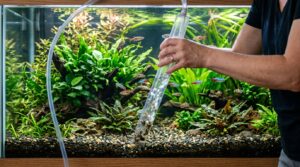
- Perform a Water Siphon: Drain 20% to 25% of your aquarium water into a clean, dedicated plastic bucket during your routine water change.
- Gently Squeeze the Media: Submerge your filter sponge or ceramic rings inside the bucket of siphoned water. Gently squeeze the foam two or three times to dislodge heavy solid sludge.
- Clean the Impeller Well: Every few months, remove the motor impeller and wipe away slime buildup with an old toothbrush or cotton swab to maintain quiet operation.
- Reinstall Immediately: Return the rinsed media directly to the filter housing and restart the unit. Never let biological media dry out on the counter.
For more details on keeping beneficial bacteria thriving, review our full walkthrough on how to cycle a new aquarium step by step.
Common Small Tank Filter Mistakes to Avoid
- Rinsing Media Under the Tap: Municipal tap water contains chlorine and chloramines designed to kill bacteria. Running your biological sponge under the sink faucet destroys your beneficial colony in seconds.
- Turning the Filter Off Overnight: Beneficial bacteria require a continuous flow of oxygenated water to survive. Shutting off your filter overnight deprives bacteria of oxygen and can cause ammonia levels to rise by morning.
- Throwing Away Factory Cartridges: Disposable cartridges with thin floss and carbon are designed to be replaced monthly by manufacturers, which resets your nitrogen cycle each time. Instead, replace cartridges with reusable coarse foam and ceramic bio-rings.
- Ignoring Suction Hazards: In nano tanks housing dwarf shrimp or long-finned bettas, open intake slats can easily trap curious creatures. Always safeguard intakes with a soft pre-filter sponge.
Frequently Asked Questions
Can a filter be too strong for a small fish tank?
Yes. Small tanks have limited swimming space, and excessive water turbulence can exhaust small fish, blow delicate live plants out of the substrate, and prevent food from settling properly. If your fish appear pushed around by the current, dial down the flow control or add an intake baffle.
Do sponge filters make too much noise?
Sponge filters themselves make zero noise because they have no moving mechanical parts. Any sound produced comes from the external air pump or popping bubbles at the surface. Placing your air pump on a soft rubber mat or small towel and installing an air stone inside the sponge lift tube will keep operation virtually silent.
How often should I clean a small aquarium filter?
In most moderately stocked 5 to 15-gallon tanks, gentle sponge rinsing is only needed once every two to four weeks. As long as water continues flowing freely and water parameters remain stable, less interference is often better for delicate biological colonies.
Conclusion
Finding the best filter for small fish tank setups comes down to balancing steady biological surface area with calm, manageable water currents. Whether you choose the reliable simplicity of an air-driven sponge filter for a peaceful betta habitat or the versatile media capacity of a hang-on-back unit for a nano schooling community, keeping your filtration well-maintained ensures clean, stable water where freshwater fish thrive with ease.
Recommended Related Guides & Resources:
Continue building your freshwater fishkeeping knowledge with our related walkthroughs:
- Explore our comprehensive guide on fish appetite and health diagnosis.
- Check out our essential walkthrough on cloudy aquarium water remedies.
Educational reference: Consult official aquarium biological filtration engineering for deeper biological background.


