




Stepping into the freshwater aquarium hobby is an exciting adventure, but choosing your first aquatic pets can feel a little daunting. With hundreds of species available at local pet stores, knowing which species will thrive in a newly established home aquarium is essential for long-term success. If you want a peaceful, colorful tank without constant stress over delicate water parameters, this comprehensive guide will introduce you to the best fish for beginners that are easy to keep. In the following sections, you will discover forgiving freshwater species, their simple care requirements, safe acclimation methods, compatible community options, and practical daily tips to ensure your tank remains a relaxing home sanctuary.
- Why Choosing Hardy Fish Matters for New Aquarium Keepers
- Top 5 Freshwater Fish for Beginners
- Essential Tank Setup and Basic Water Parameters
- How to Acclimate New Fish Safely to Your Aquarium
- Daily Feeding Routine and Nutrition Guidelines
- Common Beginner Mistakes and How to Avoid Them
- Frequently Asked Questions (FAQ)
- Conclusion
Key Takeaways & Quick Reference
- Top Species: Guppies, Neon Tetras, Platies, Harlequin Rasboras, and Corydoras Catfish are universally regarded as the most resilient starter fish.
- Schooling Needs: Tetras and Rasboras must be kept in groups of at least 6 to feel secure and display vibrant colors.
- Feeding Routine: Feed modest pinches once or twice daily; learn why fish refuse food if your pets appear hesitant.
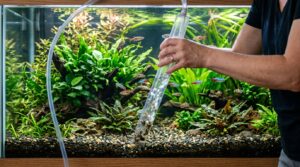
- Tank Maintenance: Keep waste low with weekly 20% water changes following our guide on cleaning a tank without removing fish.
Why Choosing Hardy Fish Matters for New Aquarium Keepers
When you are brand new to aquarium keeping, your ecosystem is still finding its natural biological balance. Water temperature, pH, and dissolved mineral levels may experience minor fluctuations while you develop your regular maintenance routine. Hardy fish possess a natural resilience that allows them to tolerate slight water variations without becoming stressed or sluggish. Choosing durable, adaptable species gives you a forgiving learning curve and builds your confidence as an aquarist.
In addition to biological resilience, beginner-friendly species generally have peaceful, sociable temperaments. They cohabitate harmoniously with other gentle tankmates, consume standard commercial flake or pellet foods readily, and do not require specialized cave setups or strict feeding schedules. Starting with species recognized as the best fish for beginners that are easy to keep ensures that your daily fishkeeping experience remains joyful, fascinating, and thoroughly rewarding rather than stressful.
Top 5 Freshwater Fish for Beginners
The following freshwater fish have earned worldwide popularity among hobbyists due to their vibrant colors, fascinating personalities, and straightforward care requirements:
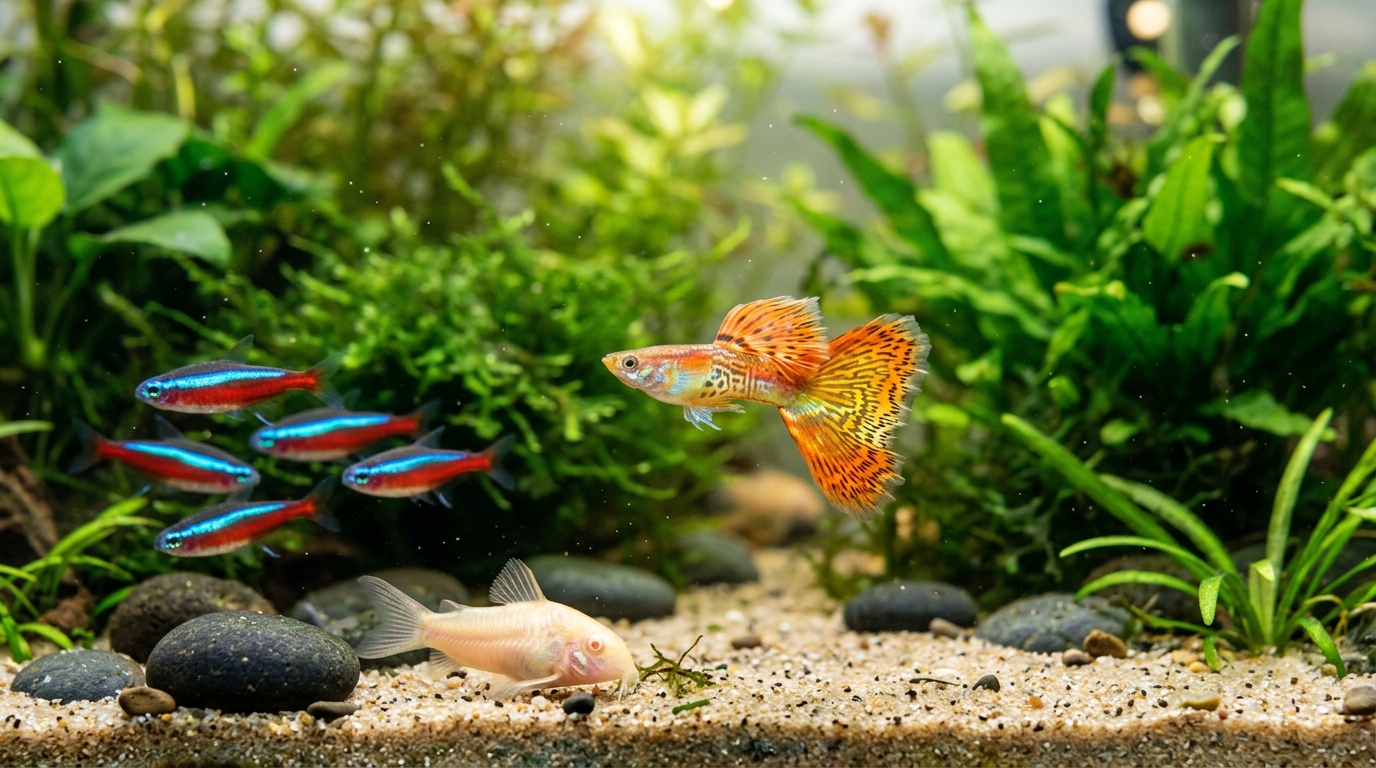
- 1. Guppies (Poecilia reticulata): Guppies are famous for their lively behavior and kaleidoscopic tails. They adapt to a wide range of water conditions, thrive in standard room temperatures, and eagerly accept almost any quality flake food. Keep them in a ratio of two females per male, or keep an all-male group to prevent rapid reproduction.
- 2. Platy Fish (Xiphophorus maculatus): Platies are gentle, active livebearers available in bright shades of orange, red, yellow, and blue. They stay around two to three inches in length, browse harmlessly on green surfaces, and are exceptionally calm community residents that get along with nearly any small tankmate.
- 3. Zebra Danios (Danio rerio): Famous for their horizontal zebra-like stripes, these slender swimmers are among the toughest fish in the hobby. They love swimming in active schools of five or more and can comfortably tolerate cooler water temperatures between 65°F and 76°F (18°C to 24°C).
- 4. Neon Tetras (Paracheirodon innesi): Featuring an iconic electric blue body with a striking crimson lower stripe, a school of 6 to 10 Neon Tetras creates a mesmerizing visual display. They stay small (under 1.5 inches) and peacefully inhabit the middle water column of planted tanks.
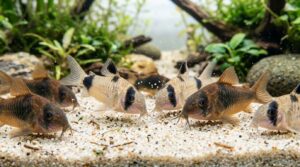
- 5. Corydoras Catfish (Corydoras spp.): These charming armored bottom-dwellers spend their days snuffling through sand and gravel searching for dropped food. They are social, completely peaceful, and should always be kept in small groups of at least four to six of the same species.


Essential Tank Setup and Basic Water Parameters
Even hardy fish require a clean, stable environment to remain vibrant, active, and long-lived. Setting up your aquarium correctly before introducing your fish makes everyday care simple and predictable. For most beginner community species, a standard 10 to 20-gallon tank provides adequate room for schooling behavior while maintaining steady water conditions with minimal effort.
Here are key environmental guidelines for maintaining happy beginner fish:
- Stable Water Temperature: Use a submersible heater with a thermostat to keep the water temperature steady between 74°F and 78°F (23°C to 26°C), avoiding sudden temperature swings.
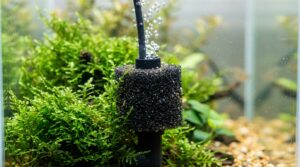
- Gentle Water Filtration: A reliable hang-on-back or sponge filter cleans biological waste while providing gentle water movement and vital oxygenation.
- Smooth Substrate: If you keep bottom-dwellers like Corydoras, opt for fine, smooth sand or rounded gravel to protect their delicate sensory barbels.
- Hiding Places and Live Plants: Adding hardy plants like Java Fern, Anubias, and clean driftwood provides natural security and resting spots, helping reduce stress.
- Light Cycle Consistency: Provide 6 to 8 hours of moderate LED lighting per day using a simple plug-in timer to establish a natural day-and-night rhythm without fueling algae.
| Species | Adult Size | Ideal Temp | School Size | Swimming Level |
|---|---|---|---|---|
| Fancy Guppy | 1.5 – 2.0 inches | 74°F – 80°F | 3+ (Keep single gender or 1M:2F) | Surface & Mid-water |
| Neon Tetra | 1.2 inches | 72°F – 77°F | 6+ minimum school | Mid-water column |
| Platy Fish | 2.0 – 2.5 inches | 70°F – 78°F | 3+ group | All water levels |
| Harlequin Rasbora | 1.5 inches | 73°F – 79°F | 6+ minimum school | Mid-water column |
| Corydoras Catfish | 1.5 – 2.5 inches | 72°F – 78°F | 5+ group (requires soft sand) | Bottom substrate |
How to Acclimate New Fish Safely to Your Aquarium
Bringing your new fish home from the pet store is a thrilling moment, but introducing them to your tank requires a gentle, patient transition. The water in the transport bag likely has a different temperature and mineral profile than your aquarium. Rushing this step can shock your new pets, even when dealing with hardy species.
Follow these safe steps when bringing new fish home:
- Float the Sealed Bag: Place the unopened transport bag on the surface of your aquarium water for 15 to 20 minutes to equalize the temperatures gently.
- Gradual Water Mixing: Carefully open the bag and roll the top edges down to create a floating collar. Every five minutes, add a small cup of your tank water into the bag until the volume has doubled.
- Net the Fish Gently: Use a soft aquarium net to lift the fish out of the bag and gently release them into your aquarium.
- Discard the Store Water: Never pour the water from the pet store bag into your home tank, as it may contain accumulated waste or debris.
- Keep the Lights Off: Leave your aquarium lights turned off for the first few hours after introduction so your new companions can explore their surroundings in calm comfort.
Daily Feeding Routine and Nutrition Guidelines
Feeding your fish is often the most rewarding part of the day, as your aquatic pets quickly learn to recognize your presence at the surface. To keep your fish energetic and display their best natural coloration, provide a balanced diet that combines quality dry foods with occasional variety. High-grade tropical flakes, micro-pellets, and sinking wafers ensure that top, middle, and bottom swimmers all receive proper nutrition without fighting.
Follow these simple feeding rules for stress-free fish care:
- Feed in Small Portions: Only provide an amount of food that your fish can consume completely within one to two minutes once per day.
- Use Sinking Pellets for Bottom Dwellers: Floating flakes often get eaten before reaching Corydoras catfish, so drop sinking pellets near their resting areas.
- Include Occasional Variety: Offer freeze-dried daphnia or bloodworms once or twice a week as a wholesome, enjoyable treat.
- Skip One Day a Week: Giving your fish a weekly fasting day helps keep their digestion clear and prevents leftover food accumulation in the substrate.
Common Beginner Mistakes and How to Avoid Them
Even with species proven to be the best fish for beginners that are easy to keep, minor errors in tank management can disrupt water stability. Being aware of these common missteps allows you to prevent issues before they occur.
- Overstocking Too Rapidly: Adding too many fish to a new aquarium overburdens your beneficial biological filter. Always introduce small groups gradually, allowing your filtration system to adapt over several weeks.
- Overfeeding the Tank: Uneaten food decomposes rapidly, degrading water clarity. If food settles on the bottom untouched, use a small net to remove it immediately.
- Neglecting Routine Water Changes: Filters remove physical debris, but regular partial water changes (20% every one to two weeks) are necessary to remove accumulated nitrates.
- Pairing Incompatible Species: Avoid mixing aggressive fin-nippers with long-finned fish like fancy guppies. Always double-check community compatibility before purchasing.
- Washing Filter Media Under Tap Water: Tap water contains chlorine that instantly destroys beneficial bacteria. Always rinse filter sponges in a bucket of used aquarium water.
Frequently Asked Questions (FAQ)
Which fish is the absolute easiest to take care of for beginners?
Platies and Fancy Guppies are widely recognized as the easiest species because they tolerate a wide range of water parameters, accept virtually all commercial flake and pellet foods, and possess calm, active personalities.
Can all of these beginner species live together peacefully?
Yes. Neon Tetras, Harlequin Rasboras, Platies, Guppies, and Corydoras are classic peaceful community species that share identical temperature and water requirements without showing any territorial aggression.
What should I do if a new fish hides and will not eat right away?
Relocation stress is common during the first 48 hours. Keep the lights dim, avoid tapping the glass, and check out our detailed guide on why is my fish not eating common reasons explained.
Conclusion
Selecting the right species lays the foundation for a peaceful, thriving home aquarium. By choosing resilient, calm companions from our list of the best fish for beginners that are easy to keep, you can enjoy vibrant colors and relaxing aquatic movement without overwhelming complexity. Take your time, observe your fish daily, and stick to gentle weekly maintenance habits. With steady care and patience, your beginner community aquarium will bring you endless satisfaction and natural tranquility for years to come.
Recommended Related Guides & Resources:
Continue building your freshwater fishkeeping knowledge with our related walkthroughs:
- Explore our comprehensive guide on how sponge filters work.
- Check out our essential walkthrough on harlequin rasbora care guide.
Educational reference: Consult official freshwater fish taxonomy and environmental biology for deeper biological background.


