






One of the most persistent misconceptions among new aquarium owners is the belief that cleaning a tank requires catching all your fish in a net, transferring them into small bowls, scrubbing every ornament under tap water, and completely emptying the tank. In reality, doing this causes severe stress to your fish and completely wipes out the invisible colony of beneficial bacteria keeping your ecosystem alive. Learning how to clean a fish tank without removing fish is the safest, fastest, and most relaxing routine you can establish. With the proper tools and a gentle step-by-step method, you can keep your aquarium sparkling clean while your fish swim peacefully throughout the entire process.
- Why Catching Your Fish During Cleaning Causes Harm
- Essential Tools for Stress-Free In-Tank Maintenance
- Step-by-Step Guide: Cleaning Glass and Siphoning Substrate Safely
- Rinsing Filter Media Without Damaging Bacteria
- Preparing and Adding Temperature-Matched Fresh Water
- Common Cleaning Mistakes Beginners Make
- Frequently Asked Questions (FAQ)
- Conclusion
Key Takeaways & Quick Reference
- Zero Netting Stress: Leaving fish inside during cleaning protects their delicate protective slime coat and prevents shock.
- Siphon Principle: A gravel vacuum uses gravity to lift detritus and uneaten food out of substrate while keeping heavy gravel in place.
- Bacteria Safety: Always rinse biological filter sponges in old tank water—never under chlorinated municipal tap water.
- Temperature Match: Use a thermometer to match incoming fresh tap water to within 1°F of your aquarium.
Why Catching Your Fish During Cleaning Causes Harm
Chasing fish around an aquarium with a green net is traumatic for aquatic life. Fish perceive nets as predators; fleeing triggers intense physical exhaustion, spikes cortisol levels, and can easily damage their protective slime coat, delicate scales, or fine fin rays. Once transferred to a small holding bowl with cold, uncirculated water, they experience rapid temperature fluctuations that can induce shock.
Furthermore, stripping a tank down to empty glass destroys the biological balance established over weeks of cycling. Beneficial nitrifying bacteria live predominantly on the surfaces of your gravel, driftwood, rocks, and filter sponges—not freely in the water column. When you clean the tank with the fish safely inside, you only remove accumulated physical waste and refresh a modest fraction of the water, preserving the biological stability your fish rely upon.
Essential Tools for Stress-Free In-Tank Maintenance
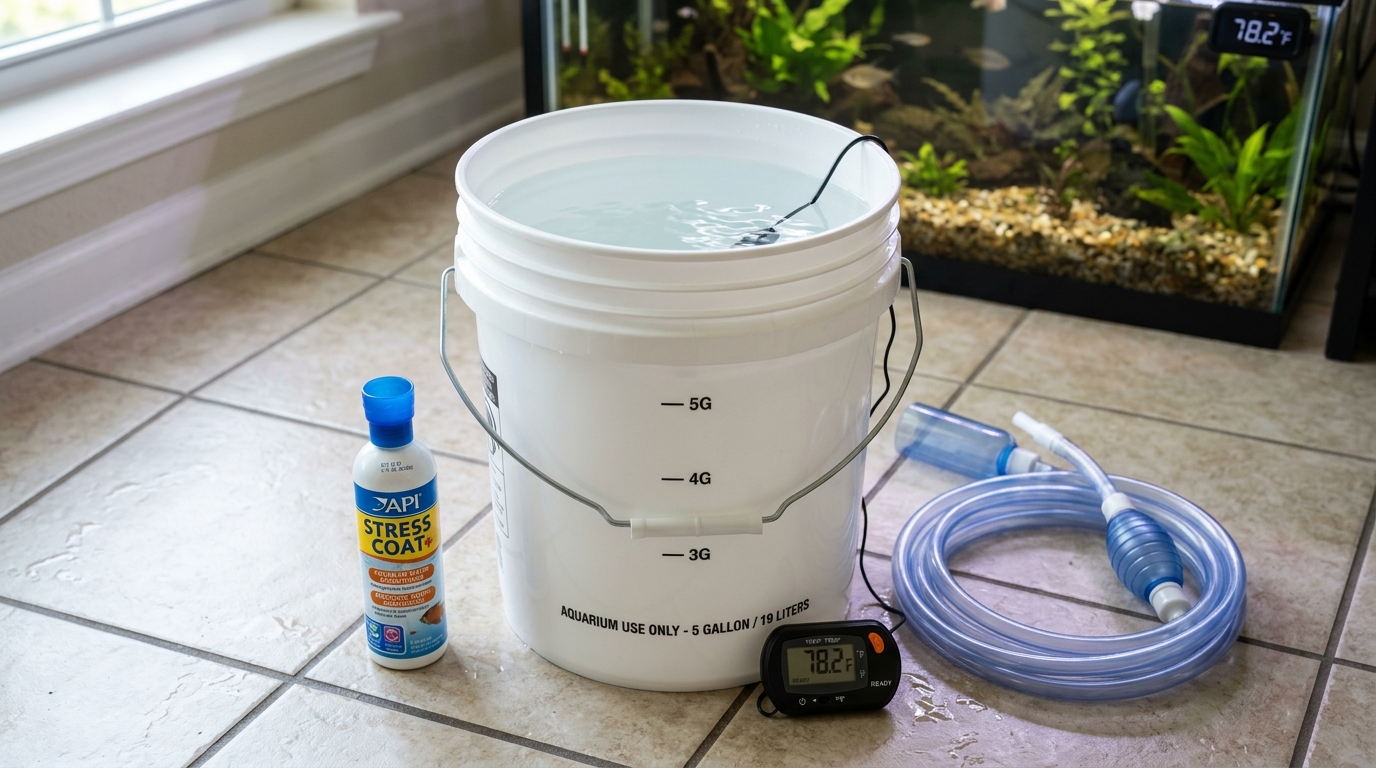
Having dedicated tools ready before you begin ensures that your cleaning session proceeds smoothly without disturbing your aquatic pets. Make sure that none of these supplies have ever touched household detergents, soaps, or kitchen chemicals:
- Aquarium Siphon Gravel Vacuum: A flexible plastic hose with a wider rigid cylinder attached that uses gravity to siphon debris out of the gravel bed without sucking up fish or substrate.
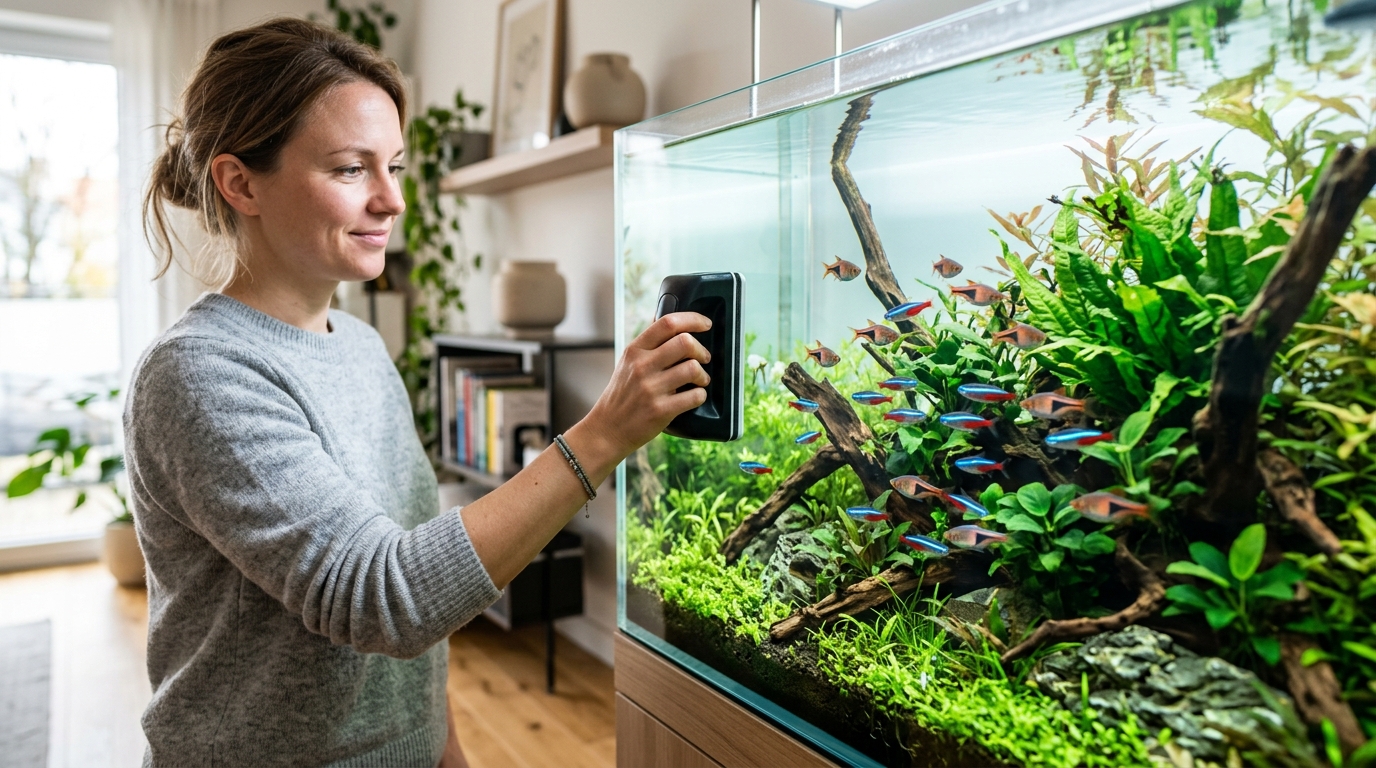
- Magnetic Glass Cleaner or Soft Algae Pad: An aquarium-safe scraper allows you to clear algae film from the inside glass panes smoothly from the outside.
- Dedicated 5-Gallon Bucket: Clearly labeled “Aquarium Use Only” so family members do not use it for floor mopping or car washing.
- Aquarium Water Conditioner: A dependable dechlorinator that instantly neutralizes chlorine, chloramines, and heavy tap metals in fresh replacement water.
- Digital Thermometer: Essential for confirming that fresh replacement water precisely matches the current temperature of your tank.
- Clean Microfiber Towel: To wipe down the exterior glass and catch stray water droplets along the rims.

Step-by-Step Guide: Cleaning Glass and Siphoning Substrate Safely
Mastering how to clean a fish tank without removing fish comes down to a calm, methodical sequence. Follow these steps to complete a thorough cleaning in under twenty minutes:
- Step 1: Unplug Electrical Equipment: Before putting your hands in the water, always unplug the aquarium heater and filter for safety. Heaters can crack if exposed to air while hot, so allow the heater five minutes to cool down before lowering the water line.
- Step 2: Scrub the Inside Glass: Use your magnetic cleaner or a soft algae sponge to wipe down the front and side viewing panes. Move slowly across the glass; fish will naturally swim away to the opposite side of the tank without panic.
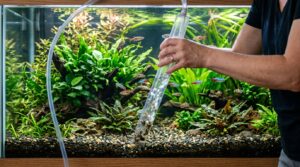
- Step 3: Prime Your Gravel Vacuum: Place your waste bucket on the floor below the aquarium to establish gravity siphon flow. Submerge the vacuum tube into the tank, fill the tube with water, and start the siphon into the bucket.
- Step 4: Vacuum the Substrate Gently: Press the wide cylinder into the top layer of gravel. You will see debris and uneaten fish waste tumbling up into the tube while heavier gravel falls back down. Lift the cylinder slightly and move to the next spot.
- Step 5: Monitor Water Level: Aim to remove approximately 20% to 25% of the total water volume. Stop the siphon once your bucket reaches the desired level by lifting the tube out of the aquarium.
| Task | Frequency | Tools Required | Key Caution |
|---|---|---|---|
| Glass Algae Wiping | Weekly | Magnetic glass cleaner / soft algae pad | Keep sand/gravel away from magnet to prevent glass scratches. |
| Substrate Siphoning | Weekly or Bi-weekly | Gravel vacuum siphon & 5G bucket | Vacuum 30-50% of the gravel bed per session; do not disturb plant roots. |
| Partial Water Change | Weekly | Conditioner & thermometer | Remove 20-25% of water volume; match temperature before refilling. |
| Filter Sponge Rinse | Monthly | Small container of siphoned tank water | Gently squeeze sponge 2-3 times; never use soap or hot tap water. |
Rinsing Filter Media Without Damaging Bacteria
Your aquarium filter is the heart of your tank’s biological balance. While the filter housing collects brown organic gunk over time, cleaning it improperly is a common pitfall for beginners. Never, under any circumstances, rinse filter sponges, bio-rings, or ceramic media under raw municipal tap water.
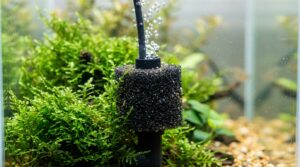
Tap water contains chlorine and chloramines designed to kill bacteria, which will eradicate the beneficial bacterial colonies living in your sponge. Instead, take a small cup of the old aquarium water you just siphoned into your bucket, place your sponge in it, and gently squeeze it two or three times to dislodge heavy trapped sludge. The sponge does not need to look brand new; preserving the established bacteria is infinitely more important than cosmetic perfection.
Preparing and Adding Temperature-Matched Fresh Water
The final phase of how to clean a fish tank without removing fish is returning clean, safe water back to the aquarium. Fill your dedicated bucket with fresh tap water from the sink, adjusting the tap temperature until your thermometer indicates it matches your tank’s current reading within 1°F.
Add the recommended dose of quality water conditioner directly to the bucket and stir gently to ensure thorough dechlorination. When pouring the fresh water into the tank, place your clean hand or a small saucer over the substrate and pour onto it. This disperses the incoming current, preventing the water stream from blasting through your gravel bed or unsettling live plants. Once full, plug your heater and filter back in, and watch your fish enjoy their refreshed, crystal-clear habitat.
Common Cleaning Mistakes Beginners Make
Keeping a clean aquarium is straightforward, but avoiding these frequent missteps will save you time and protect your aquatic pets:
- Performing 100% water changes: Changing all the water destabilizes water chemistry and shocks fish biology. Always stick to 20% to 30% weekly or bi-weekly partial changes.
- Using dish soap or cleaning chemicals: Even microscopic soap residues on buckets, sponges, or hands can be fatal to freshwater fish. Reserve equipment strictly for aquarium use.
- Replacing all filter cartridges at once: Throwing away seasoned filter cartridges discards your primary biological filter. Only replace disposable fine floss, and simply rinse durable sponges.
- Pouring cold tap water straight into the tank: Adding cold water causes sudden temperature drops that shock fish and weaken their natural immune defenses.
Frequently Asked Questions (FAQ)
Will my fish get sucked into the gravel vacuum?
No. The wide cylinder of an aquarium siphon slows water velocity dramatically. Fish naturally move away from the tube, but if an inquisitive fish swims close, simply pinch the flexible hose to pause the suction instantly.
Should I take out rocks and decorations to scrub them clean?
Generally no. Decorations host millions of beneficial nitrifying bacteria. If an ornament has heavy green algae, gently wipe it with a clean aquarium brush inside the tank, or read our guide on how to control algae in aquarium naturally.
How can I add fresh water without stirring up the gravel bed?
Place a clean saucer or your hand directly above the substrate and pour the water stream gently over it. This breaks the kinetic force of the water, keeping sand, gravel, and live plants perfectly in place.
Conclusion
Maintaining a beautiful home aquarium should be an enjoyable, serene hobby rather than a stressful ordeal. By learning how to clean a fish tank without removing fish, you eliminate unnecessary handling trauma, protect vital biological filtration, and maintain pristine water clarity with minimal effort. With just a siphon vacuum, a dedicated bucket, and twenty minutes of gentle care each week, your freshwater aquarium will remain a healthy, thriving showpiece for years to come.
Recommended Related Guides & Resources:
Continue building your freshwater fishkeeping knowledge with our related walkthroughs:
- Explore our comprehensive guide on best low-tech aquarium plants.
- Check out our essential walkthrough on peaceful community fish combinations.
Educational reference: Consult official aquarium ecological maintenance research for deeper biological background.


